Yoshito Yahagi: The Trainer Behind Forever Young and Japan’s Global Racing Rise
From Stableman’s Son to International Champion Trainer
Yoshito Yahagi is the Japanese trainer responsible for Forever Young, the global racing star who has carried Japan’s colours to major victories in Saudi Arabia, the United States and Dubai. For many racing fans asking “who trains Forever Young?”, the answer is simple. It is Yahagi, a Tokyo-born trainer whose stable has become one of the most outward-looking forces in modern thoroughbred racing.
Born Into Racing: Early Life and First Influences
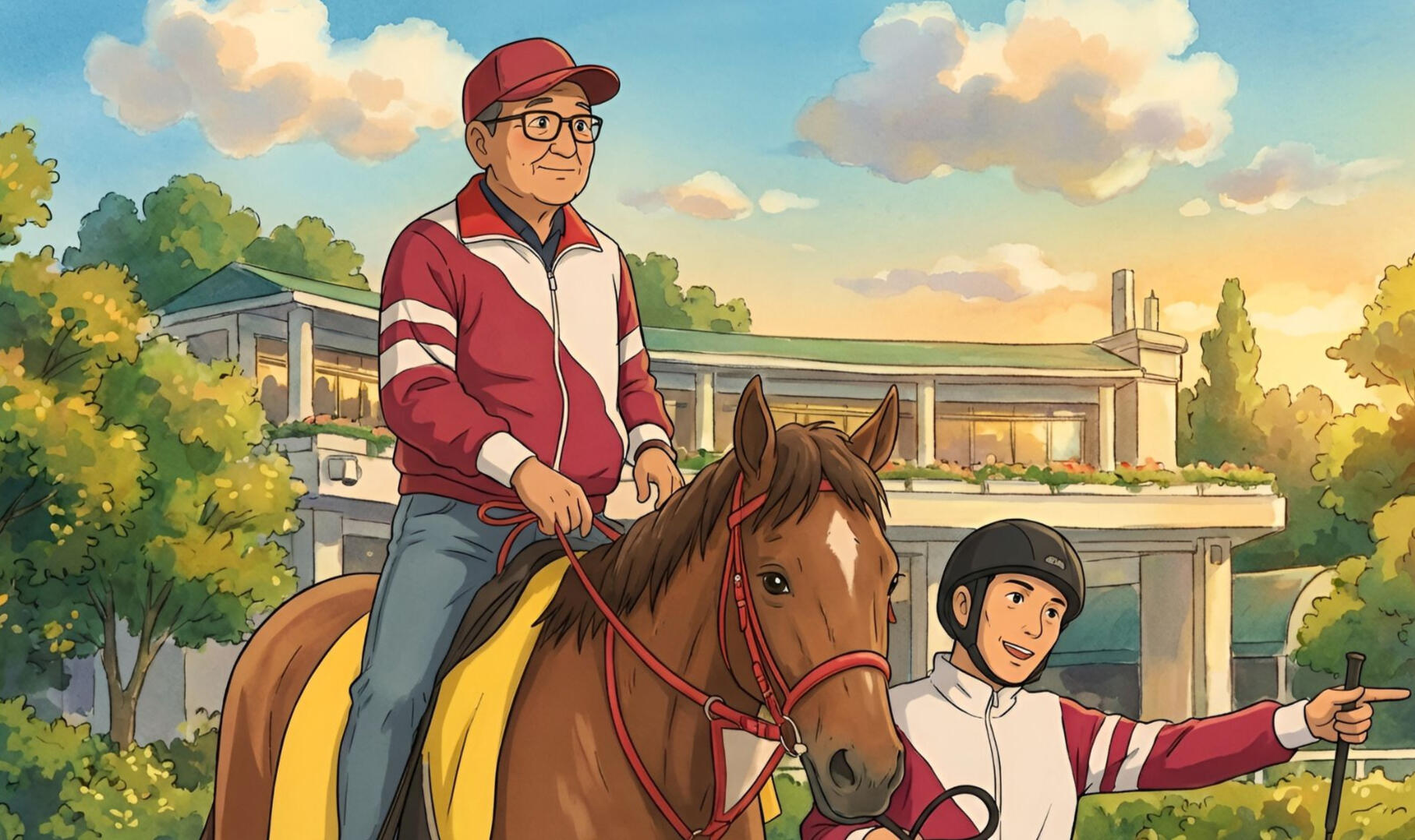
Yoshito Yahagi was born on 20 March 1961 in Shinagawa, Tokyo, into a household where racing was not a hobby but a profession. His father, Kazuto Yahagi, trained horses at Oi Racecourse, part of Japan’s regional racing system. From the beginning, the stable yard was a familiar environment. The rhythms of early mornings, feed bins, gallops and race meetings were part of everyday life.Unlike many future trainers who arrive in racing through chance or later interest, Yahagi grew up inside its structure. He saw the pressure, the disappointments and the practical work behind every runner. That early exposure shaped his understanding of the sport as a business as much as a spectacle.Japan in the 1960s and 1970s was steadily building the modern foundations of its racing industry. The Japan Racing Association, known as the JRA, was tightening standards and increasing prize money. The gap between regional racing and the central JRA circuit was significant. Success at JRA level carried greater prestige, higher purses and national visibility.For a young Yahagi, that distinction mattered.His father was firmly established in regional racing, yet he reportedly insisted that his son aim higher. If Yoshito wanted to train, it would not be through the easiest available path. He would need to qualify within the JRA system, widely regarded as one of the most competitive and demanding in world racing.That expectation introduced an early theme in Yahagi’s life: standards would be high, and nothing would be handed to him.As a teenager he developed the ambition to become a trainer rather than a jockey or breeder. The training role appealed to his analytical side. It combined long-term planning, conditioning, placement strategy and stable management. Even in those early years, he was said to be more interested in how horses were prepared than in the race-day spotlight.There was another factor that quietly influenced his outlook. Japan, while strong domestically, was not yet a dominant global racing power. European and American racing often commanded more international attention. For a young man observing the sport’s hierarchy, it was clear that Japanese trainers were rarely seen as global figures.That awareness would later become a driving force.Before he ever saddled a Group 1 winner, before the world asked who trains Forever Young, Yoshito Yahagi was a stableman’s son learning the fundamentals of horse care, race planning and competitive ambition. The ambition was present early. The route to fulfilling it would prove far more difficult.
Leaving Japan: The Australia Education
If Yoshito Yahagi had followed a conventional route, he could have remained within Japan’s established system, building experience locally and waiting for his opportunity. Instead, he chose something far less common for a young Japanese horseman in the early 1980s. He left.Before travelling, he spent time studying English, understanding that language would not be a minor detail but a necessity. The decision to go abroad was not symbolic. It was practical. If he wanted to understand how other racing nations operated, he would need to work inside their stables, not observe from a distance.Australia became his classroom.Working in racing environments linked to major tracks such as Royal Randwick in Sydney and Flemington in Melbourne, Yahagi was exposed to a different culture of training. Australian racing was more aggressive in its placement strategy. Horses often raced more frequently. Campaigns were built around opportunity rather than tradition. Trainers were not afraid to move horses quickly between states or target prize money wherever it was available.For a young man raised within Japan’s more structured and hierarchical system, the contrast was sharp.Australian trainers tended to speak openly, to promote their runners, and to place horses ambitiously. The atmosphere was competitive but less rigid. Horses were campaigned with a boldness that would later become a defining feature of Yahagi’s own career.He observed not only training techniques but also stable management. Staff roles, communication styles and race programming differed from Japan’s model. Conditioning work was often varied, with greater emphasis on adaptability rather than strict routine.This period abroad did not instantly transform him into an international trainer. But it planted an idea.Racing did not have to be limited by geography.When Yahagi eventually returned to Japan, he carried with him a broader perspective. He had seen that major races in other countries were not closed clubs. They were targets. And if horses were prepared correctly, they could travel.Years later, when his international runners began landing victories in Australia, the United States and the Middle East, observers sometimes described his approach as bold. In truth, the roots of that boldness could be traced back to his early twenties, working far from home and studying how other racing nations operated.Long before Forever Young lined up in global dirt races, Yahagi had already decided that his future stable would not think narrowly. Australia did not simply teach him training techniques. It gave him a wider frame of reference.The next challenge would be proving himself inside Japan’s most demanding system.
The Long Road to a JRA Licence
Returning from Australia with fresh ideas did not immediately translate into authority. In Japan, ambition alone was not enough. To train at the highest level, Yoshito Yahagi needed a licence from the Japan Racing Association. That meant passing one of the most demanding examinations in world racing.The JRA trainer exam is famously competitive. It tests not only practical horsemanship but veterinary knowledge, racing regulations, stable management and administrative understanding. The pass rate is low. Many capable horsemen never succeed.For Yahagi, the process became a test of endurance.He did not pass on his first attempt. Nor his second. Nor his third.In fact, it took fourteen attempts before he finally secured his trainer’s licence.That detail is more than a footnote. It is central to understanding him. For years he remained on the outside, working within the system but without the authority to run his own yard. Each failure meant waiting another year, preparing again, studying again, and facing the same pressure.There was no guarantee the next attempt would be different.In a sport where family connections can sometimes smooth progress, Yahagi’s path was unusually hard-edged. His father’s presence in regional racing did not open doors within the JRA structure. If anything, expectations were higher. Success had to be earned on merit.When he finally passed the exam in 2004, the achievement carried weight beyond the licence itself. It represented persistence under scrutiny. It proved that the international-minded horseman who had worked abroad was capable of mastering Japan’s domestic system.He was in his early forties by the time he officially opened his stable.That timing matters. He was not a youthful prodigy handed early opportunity. He began his independent training career with years of practical experience behind him, and with the memory of repeated setbacks still fresh.Those setbacks likely shaped the discipline of his later stable. Trainers who arrive quickly can sometimes lean on momentum. Yahagi’s career began with hard-earned legitimacy. He had studied, failed, adjusted and returned.When he saddled his first runners under his own name, he did so with a deeper understanding of both patience and preparation.The breakthrough results would come later. But the foundation of the Yoshito Yahagi stable was built on resilience long before it was built on trophies.

Early Success
When Yoshito Yahagi opened his stable in 2004, he did not arrive with the backing of an established superpower yard. He was respected for his persistence and overseas experience, but results would decide whether he became a long-term presence at the top level.The early years were steady rather than explosive. Winners came, but major headlines did not arrive immediately. Like many trainers building from scratch, Yahagi focused on organisation, staff structure and owner relationships. The stable needed depth before it could chase prestige.Gradually, the results improved.Graded winners followed. Owners began to notice the professionalism of the yard and the clarity with which Yahagi campaigned his horses. He was not reckless, but he was not overly cautious either. Even in these formative years, there were signs of a trainer willing to think independently about race placement.The defining breakthrough came in 2012 with Deep Brillante.That year, Deep Brillante won the Tokyo Yushun, better known internationally as the Japanese Derby. The race is one of the most prestigious in Japan’s calendar, a Classic that defines careers. For a trainer still establishing himself among the JRA elite, it was a transformative victory.Winning the Derby alters perception overnight. It signals that a yard can handle the pressure of developing a three-year-old through the most intense stage of its career. It also strengthens owner confidence, attracting better-bred horses and deeper investment.For Yahagi, the Derby win validated years of preparation. It proved that the long path to securing his licence had not limited his ambition. He could compete with the most established trainers in Japan and beat them on the biggest domestic stage.Importantly, Deep Brillante’s success was not treated as an endpoint. It became a platform.The stable continued to expand. Yahagi refined his approach to conditioning, blending the disciplined structure expected within Japan with a more flexible campaign style that hinted at his overseas influences. He was still operating largely within the domestic circuit, but the mindset was already broader.By the end of this period, Yoshito Yahagi was no longer viewed simply as a determined trainer who had passed a difficult exam. He was a Classic-winning conditioner with a growing reputation for strategic thinking.The global chapter of his career had not yet fully opened, but the foundations were in place.

Contrail and Domestic Greatness
If Deep Brillante announced Yoshito Yahagi’s arrival among Japan’s elite trainers, Contrail confirmed his place there.Foaled in 2017, Contrail entered Yahagi’s yard with significant expectation. By this stage, the trainer was no longer proving that he belonged. He was refining how he prepared top-class horses for championship campaigns. What followed in 2020 would become one of the defining seasons of modern Japanese racing.Contrail swept through the Japanese Triple Crown, winning the Satsuki Sho, the Tokyo Yushun and the Kikuka Sho in the same year. Completing the Triple Crown is rare in any racing nation. It demands durability, tactical versatility and careful management across three different distances within a single season.The achievement placed Yahagi alongside the most successful trainers in the country’s history.Handling a Triple Crown contender is not simply about fitness. It involves media scrutiny, ownership pressure and national attention. In Japan, elite flat racing commands vast audiences. Expectations are intense. Every training gallop, every race plan and every jockey decision is analysed.Yahagi’s management of Contrail was measured and calm. He did not chase unnecessary targets. He balanced ambition with protection, spacing races carefully while maintaining momentum. It was the kind of campaign that reflects experience rather than impulse.Contrail later added further weight to his record with victory in the Japan Cup in 2021, reinforcing both the horse’s standing and Yahagi’s ability to keep a champion at the highest level beyond a single season.By now, Yoshito Yahagi was more than a Classic-winning trainer. He was responsible for one of the most celebrated horses of his generation. His domestic reputation was secure.Yet there was something distinctive about how he spoke during this period. Even while enjoying the prestige of a Triple Crown campaign, his comments often reflected an awareness of racing beyond Japan. He followed international form closely. He discussed global racing without hesitation.Unlike some trainers whose ambitions peak within their home circuit, Yahagi appeared to view domestic greatness as part of a wider objective.Contrail cemented his status in Japan. But the next phase of his career would shift the conversation beyond national boundaries. It would be driven by international runners who did not merely travel for experience, but for victory.And that shift would begin to redefine what a Japanese trainer could achieve on the world stage.
Taking Japan To The World
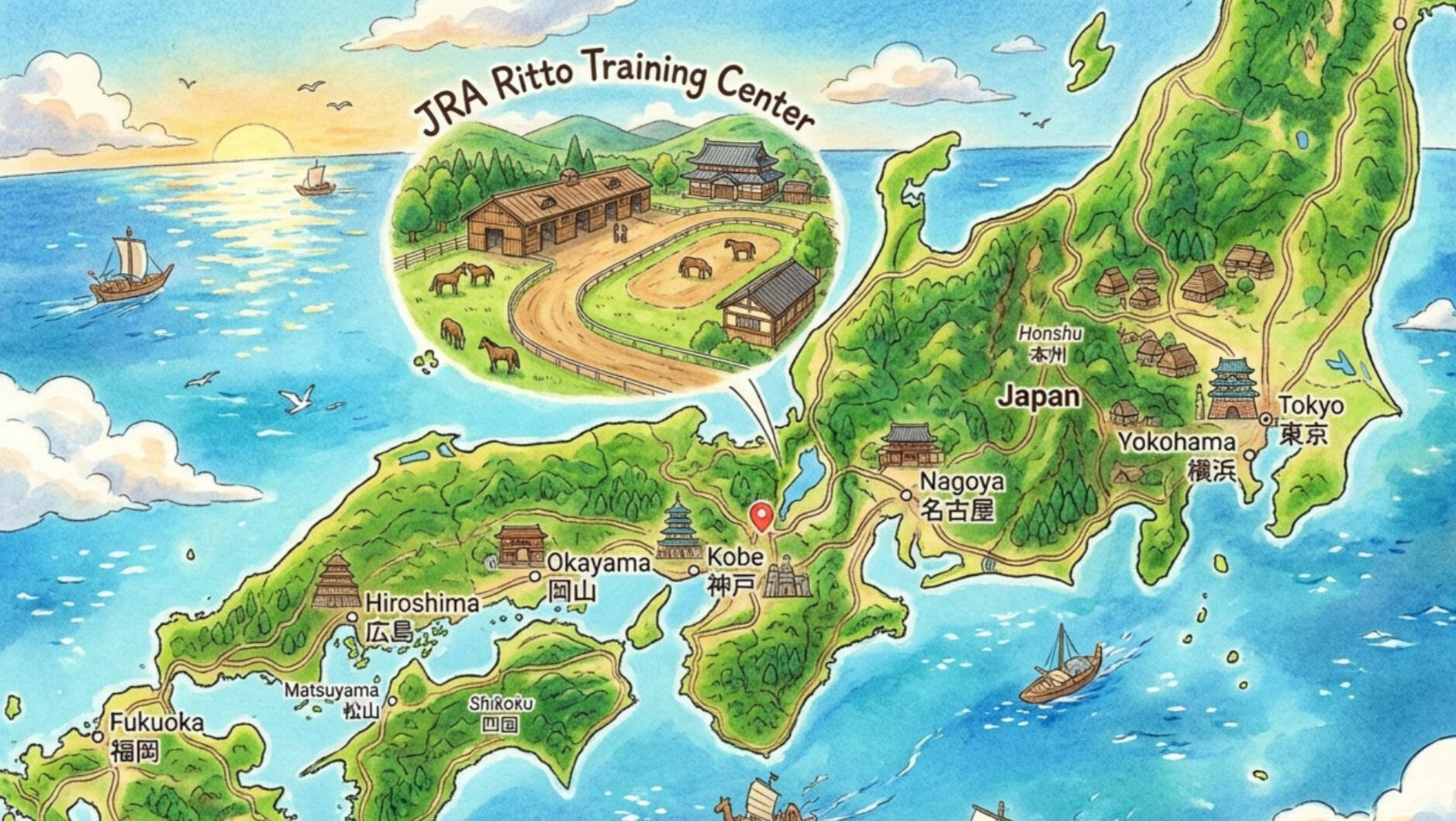
By the time Contrail had completed his Triple Crown, Yoshito Yahagi was already thinking beyond domestic dominance. His reputation within Japan was secure. The next step was to prove that a Japanese trainer could consistently win at the highest level overseas.Japanese horses had travelled before, and won before. But it was still uncommon for one trainer to repeatedly target the world’s biggest international prizes as part of a deliberate strategy. Yahagi did not treat foreign campaigns as novelty ventures. They were central to his long-term vision.One of the earliest major statements came with Lys Gracieux. In 2019, she travelled to Australia for the Cox Plate at Moonee Valley, one of the country’s most prestigious weight-for-age contests. Facing elite opposition on unfamiliar ground, she produced a dominant performance. The victory was not just important for her record. It signalled that Yahagi was comfortable placing horses boldly against the best in other jurisdictions.That win strengthened relationships with international racing bodies and owners willing to think ambitiously.The breakthrough year on the American stage came in 2021. At Del Mar, Yahagi saddled two winners at the Breeders’ Cup meeting, an achievement that placed him firmly in the global spotlight. Loves Only You captured the Breeders’ Cup Filly & Mare Turf, while Marche Lorraine landed the Breeders’ Cup Distaff.No Japan-based trainer had previously achieved that feat at the meeting. Winning once would have been notable. Winning twice on the same card carried symbolic weight. It demonstrated depth within the yard and reinforced the idea that Yahagi’s international runners were not travelling to gain experience. They were travelling to compete at the highest level.The pattern continued in the Middle East. Panthalassa added further global credibility with victory in the Dubai Turf in 2022 and later success in the Saudi Cup. Dirt racing, traditionally dominated by American-trained horses, had become an arena in which Yahagi was prepared to take calculated risks.These campaigns required logistical planning far beyond standard domestic racing. Shipping schedules, quarantine requirements, climate adjustments and surface transitions had to be managed carefully. Yahagi’s overseas experience from his youth in Australia was no longer a biographical footnote. It had become a competitive advantage.Gradually, the phrase “Yahagi international runners” began to carry real meaning within racing circles. Owners seeking global exposure were drawn to a trainer who viewed the calendar as international rather than purely Japanese. The yard developed a reputation for adaptability. Horses were prepared to handle travel, varied surfaces and unfamiliar race tempo.By the early 2020s, Yoshito Yahagi was no longer simply a successful Japanese trainer. He had become one of the most internationally recognised conditioners in the sport.And then came the horse who would push that reputation even further.
Forever Young: The Horse That Carried Yahagi To A Global Audience
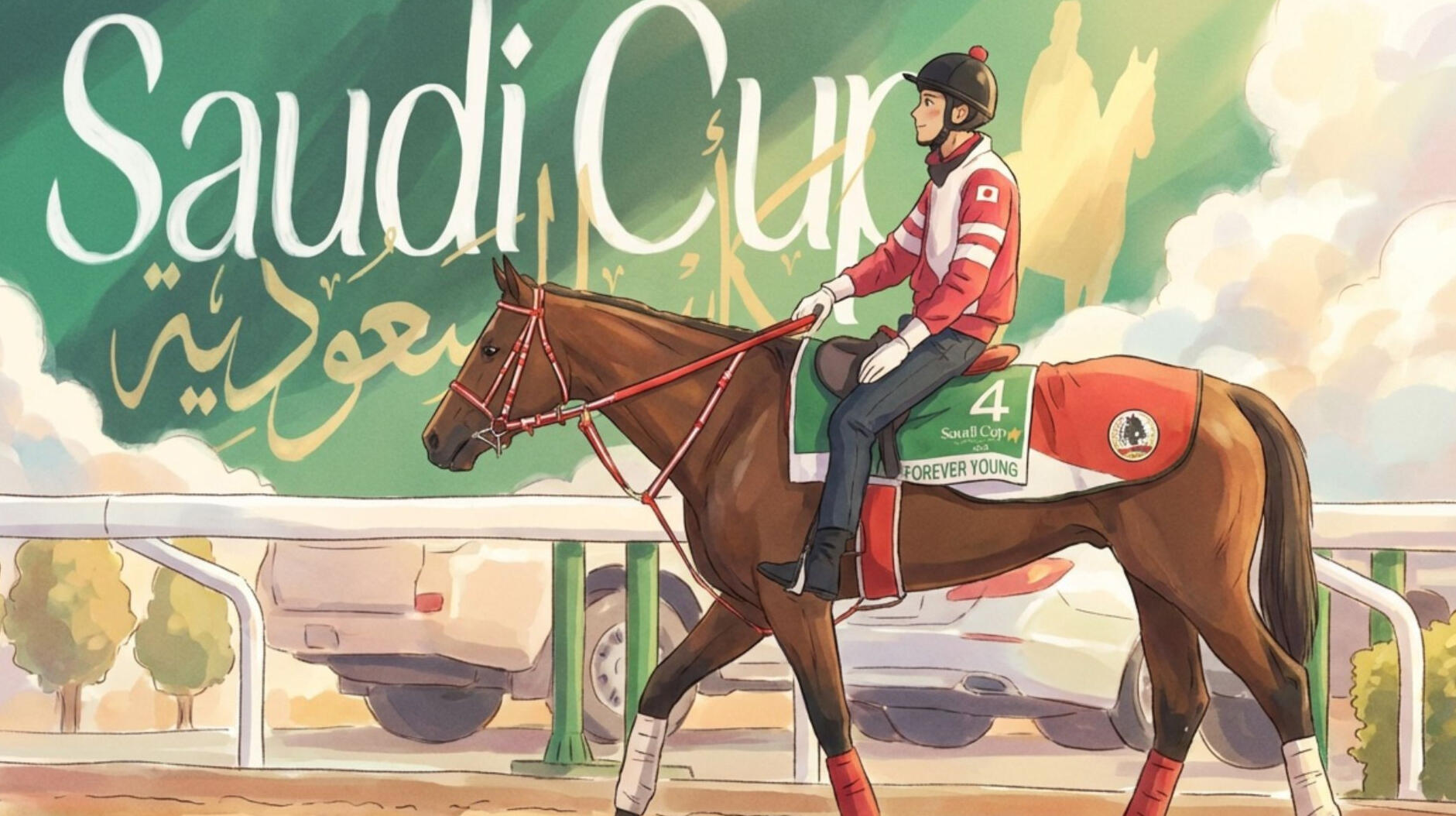
For many international racing fans, the question “who trains Forever Young?” has become increasingly common over the past two seasons. The answer is Yoshito Yahagi, and the colt’s rise has brought unprecedented global attention to the Japanese trainer behind him.Forever Young first signalled his class as a two-year-old when winning the Zen-Nippon Nisai Yushun in 2023. It was a strong domestic statement, but few could have predicted how quickly his profile would expand beyond Japan.In early 2024, Forever Young travelled to the Middle East and captured the Saudi Derby before stepping up again to win the UAE Derby. Those victories were not just important for the horse. They reinforced Yahagi’s growing identity as a trainer prepared to test his best dirt runners abroad at an early stage of their careers.Returning to Japan, Forever Young added the Japan Dirt Classic and the Tokyo Daishōten in 2024, confirming his status as one of the leading dirt horses of his generation. By this point, he was no longer a promising prospect. He was a genuine international contender.The defining breakthrough came in 2025.Forever Young won the Saudi Cup, the richest race in the world, delivering a performance that resonated far beyond Japanese racing circles. The victory elevated Yahagi’s name once again in global discussion. It also strengthened the perception that this Japanese trainer was not merely sending runners abroad, but targeting the very biggest prizes with confidence.Later that year, Forever Young travelled to the United States and won the Breeders’ Cup Classic. The Classic is one of the most prestigious dirt races on the calendar, traditionally dominated by American-trained horses. To secure that title confirmed both the horse’s class and Yahagi’s ability to prepare elite dirt runners for different racing environments.Then came another landmark moment.In 2026, Forever Young returned to Riyadh and won the Saudi Cup again, becoming a back-to-back winner of the race. That repeat victory was significant. It proved the 2025 success had not been a single peak. It demonstrated durability, careful management and a training approach capable of sustaining top-level performance across seasons.For those searching specifically for the “Forever Young trainer,” the evidence is clear. Yoshito Yahagi has overseen one of the most ambitious and successful international dirt campaigns by a Japanese horse in modern history.Forever Young’s race record tells part of the story:- Zen-Nippon Nisai Yushun (2023)- Saudi Derby (2024)- UAE Derby (2024)- Japan Dirt Classic (2024)- Tokyo Daishōten (2024)- Saudi Cup (2025, 2026)- Breeders’ Cup Classic (2025)But the broader impact goes beyond titles.The horse’s global campaign reflects Yahagi’s philosophy in action. He is willing to move early, to trust a young horse on foreign soil, and to place his runners where prize money and prestige are highest. He has treated the international calendar as a genuine extension of Japan’s domestic programme.With Forever Young, the world did not simply learn the horse’s name. It learned the name of the Japanese trainer behind him.And in many ways, the colt represents the natural evolution of Yahagi’s career — a trainer who once travelled abroad as a young student now sending champions around the globe with confidence and intent.
What Makes Yoshito Yahagi Different
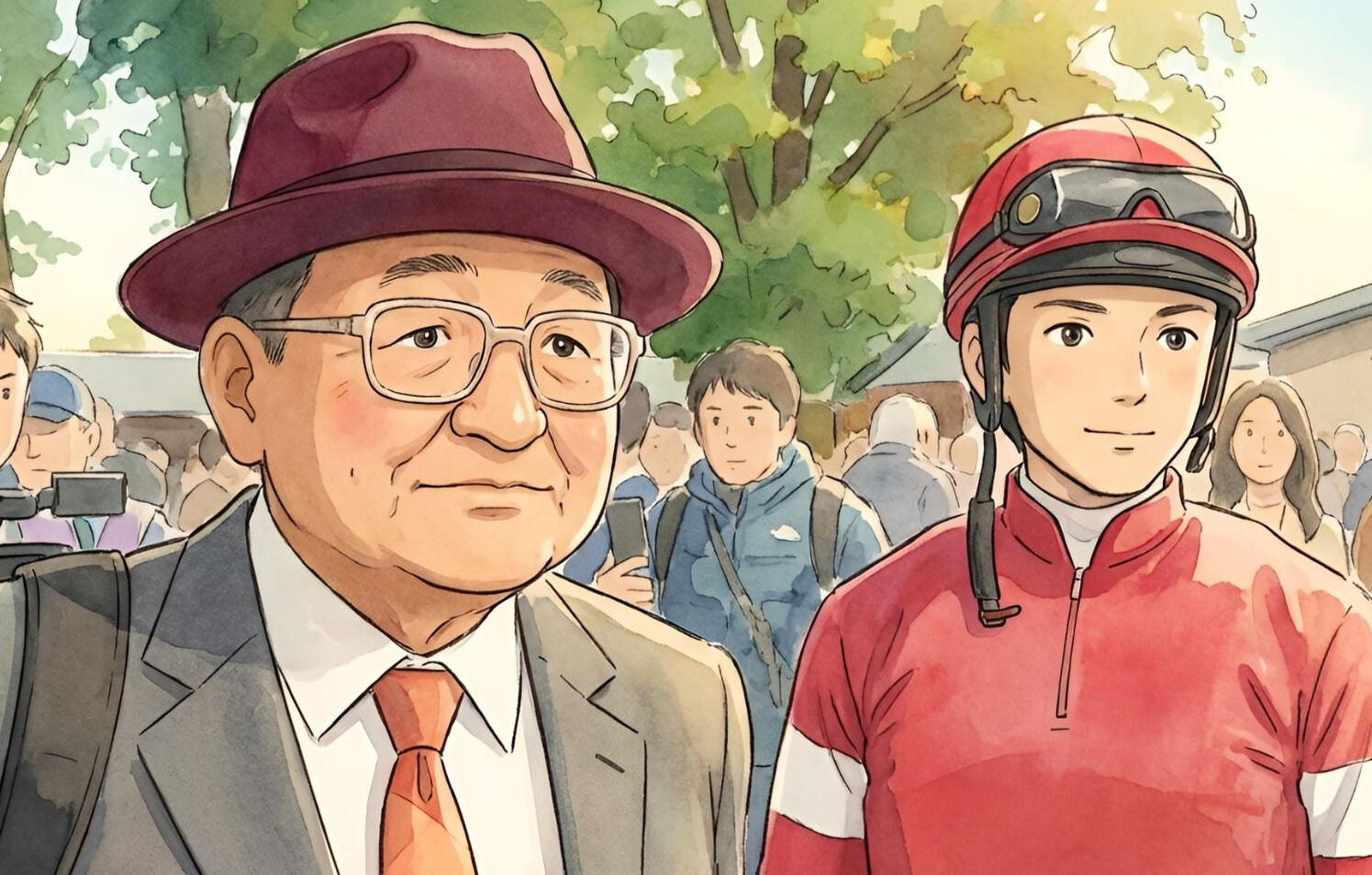
By the time Forever Young secured his second Saudi Cup and a Breeders’ Cup Classic title, Yoshito Yahagi’s record spoke for itself. But results alone do not explain why his name carries particular weight in international racing circles. Many trainers win major races. Fewer reshape expectations.What separates Yahagi from many of his contemporaries is not simply ambition, but structure.His stable operates with a clear international framework. Campaigns are planned with global options in mind from an early stage. Dirt and turf programmes are considered not only within Japan’s calendar, but against races in Riyadh, Dubai, the United States and Australia. That forward planning requires confidence, logistical preparation and owners willing to think beyond domestic prestige.Yahagi’s early years in Australia appear to have left a lasting imprint. He has often demonstrated a willingness to run horses abroad without excessive caution. Travel is treated as part of modern elite racing rather than an unusual gamble. Conditioning programmes are adapted for climate, surface and tempo differences, particularly for dirt racing in the Middle East and North America.There is also a noticeable calmness in how his stable handles pressure. When Contrail carried Triple Crown expectations, the preparation remained measured. When Forever Young began targeting the richest dirt races in the world, the approach was similarly controlled. Success has been framed as the outcome of planning rather than daring.Within Japan, trainers traditionally built reputations by dominating domestic Group 1 races. Yahagi has achieved that. But he has also positioned himself as part of a new generation of Japanese trainers who see international success as a natural extension of domestic achievement.His international runners have helped shift perception. Victories at the Breeders’ Cup and in the Saudi Cup are no longer treated as isolated breakthroughs for Japanese racing. They are increasingly viewed as attainable targets.That shift matters.It changes how owners think about placement. It influences how younger trainers assess opportunity. It expands the competitive map for Japanese stables.Yahagi’s career arc, from stableman’s son to one of the most internationally recognised Japanese trainers, reflects steady evolution rather than sudden transformation. Each stage built upon the previous one: early exposure to racing, overseas education, repeated examination attempts, Classic success, Triple Crown management, and then sustained global campaigning.Today, when observers ask about the Japanese trainer behind major international dirt victories, his name often surfaces quickly. Not because of branding or personality, but because of consistent, high-level performance across jurisdictions.In many ways, Yoshito Yahagi represents the modern face of Japanese racing: technically strong at home, confident abroad, and increasingly influential on the global stage.
© All rights reserved.